
Africa's printing industry is at a crossroads. As the continent's economies grow and demand for printed materials increases, so does the environmental impact of printing. At SpeedPrints Ghana Limited, we believe that growth and sustainability aren't mutually exclusive — they're complementary. That's why we're leading Africa's green print revolution.
The Environmental Challenge of Printing
Commercial printing consumes significant resources: paper from trees, petroleum-based inks, energy for equipment, water for processing, and chemicals for plate-making. The waste generated — from setup sheets to trimming offcuts — adds to the environmental burden. In Africa, where environmental regulations are still developing, the printing industry has a responsibility to self-regulate and lead by example.
SpeedPrints' Green Printing Framework
1. Responsible Material Sourcing
We source paper from suppliers who practice responsible forestry. Where available, we offer FSC-certified paper options and recycled stocks. Our ink suppliers provide vegetable-based alternatives that reduce volatile organic compound (VOC) emissions during printing.
2. Energy-Efficient Production
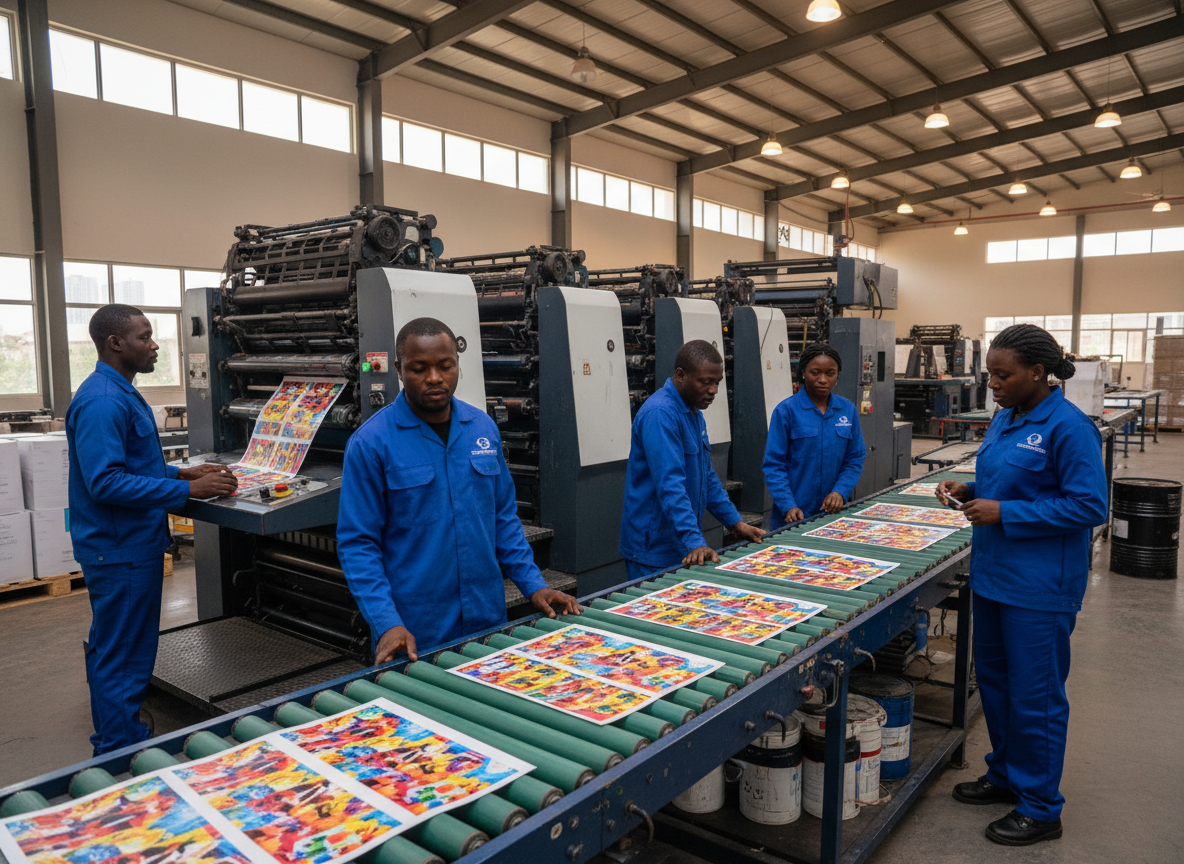
Our production facility uses modern, energy-efficient equipment. We schedule production runs to maximize equipment utilization and minimize idle time — reducing energy consumption per printed page. Regular maintenance ensures our machines operate at peak efficiency.
3. Waste Reduction and Recycling
We've implemented a comprehensive waste management program:
- Pre-press optimization: Digital proofing reduces the number of test prints needed
- Setup waste minimization: Efficient makeready processes reduce the paper wasted during press setup
- Offcut recycling: Paper trimmings and damaged prints are collected and recycled
- Chemical management: Proper handling and disposal of printing chemicals
4. Digital-First Where Possible
We actively recommend digital printing for appropriate projects. Digital printing eliminates the need for plates (reducing chemical use and waste), uses less energy per print for short runs, and produces zero setup waste. For many projects, digital is the greener choice.
The Business Case for Green Printing
For NGOs and International Organizations
Many NGOs and international bodies operating in West Africa have strict sustainability requirements for their supply chains. By choosing SpeedPrints, these organizations can demonstrate environmental responsibility in their printing procurement.
For Corporate Clients
ESG reporting is becoming standard for corporations. Your printing supply chain is part of your environmental footprint. Partnering with a sustainability-focused printer supports your ESG narrative and demonstrates genuine commitment to environmental responsibility.
For All Businesses
Consumers increasingly favour brands that demonstrate environmental awareness. Materials printed on recycled paper or with eco-friendly inks send a positive message about your brand values — often at minimal additional cost.
How to Make Your Next Print Project Greener
- Choose recycled paper: Ask about our recycled stock options
- Right-size your order: Print only what you need to avoid waste
- Consider digital: For runs under 1,000, digital is often the greener option
- Simplify finishing: Fewer finishing steps mean less chemical and energy use
- Plan ahead: Rush orders often generate more waste than planned production
Join the Green Print Revolution
Every print project is an opportunity to make a more sustainable choice. At SpeedPrints Ghana Limited, we're committed to helping our clients reduce their environmental impact without compromising on quality or turnaround. Contact us to discuss sustainable options for your next project.